
Last updated September 20, 2026
Full 25-point door and opener safety check with every visit - springs, cables, rollers, tracks, and your LiftMaster or Chamberlain opener included
You get a price before we start. It does not change when the truck arrives.
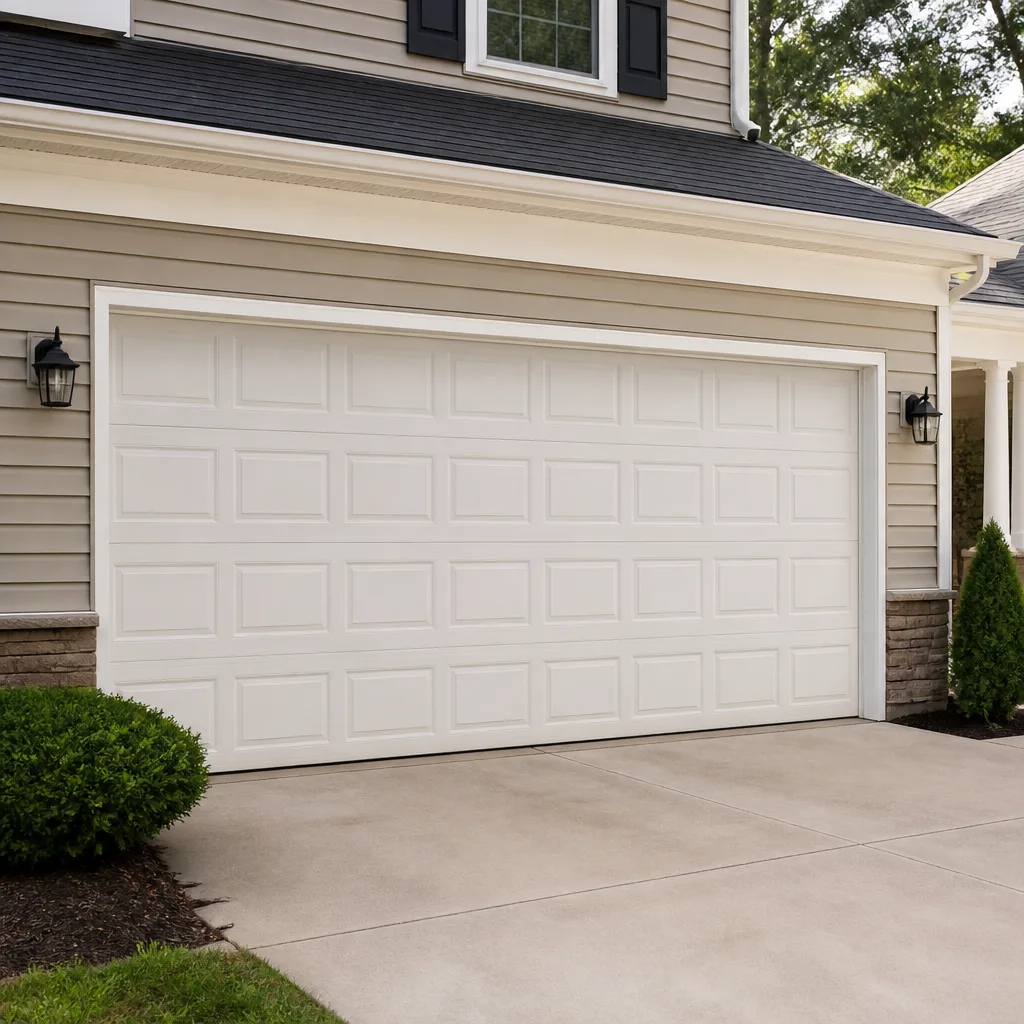
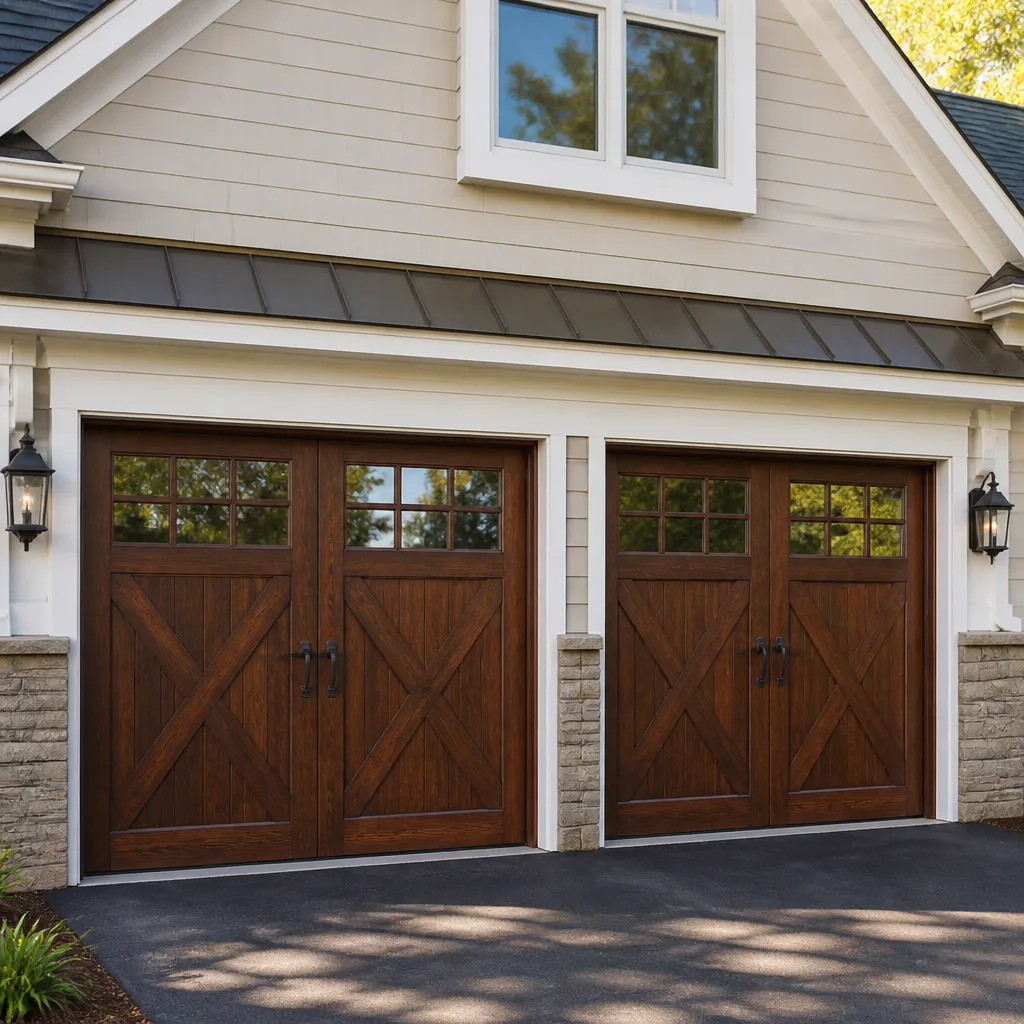
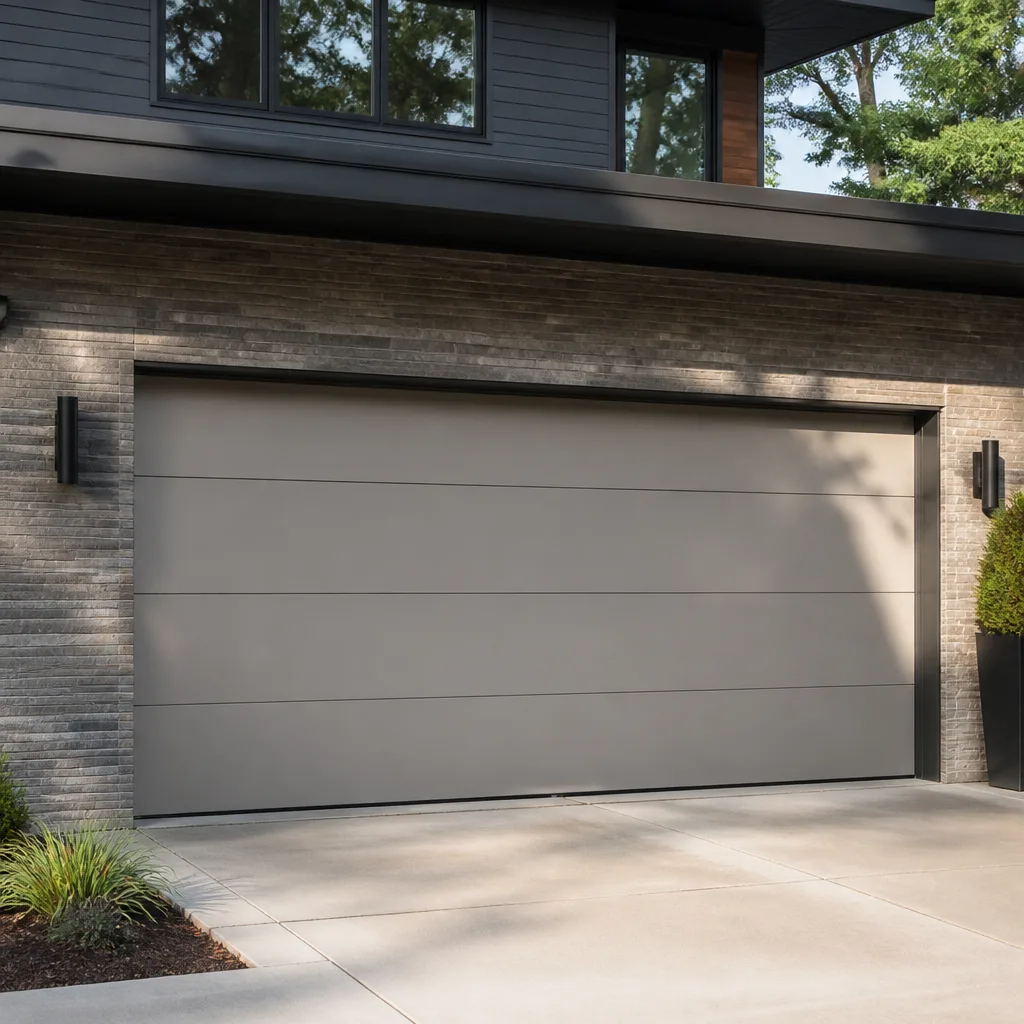
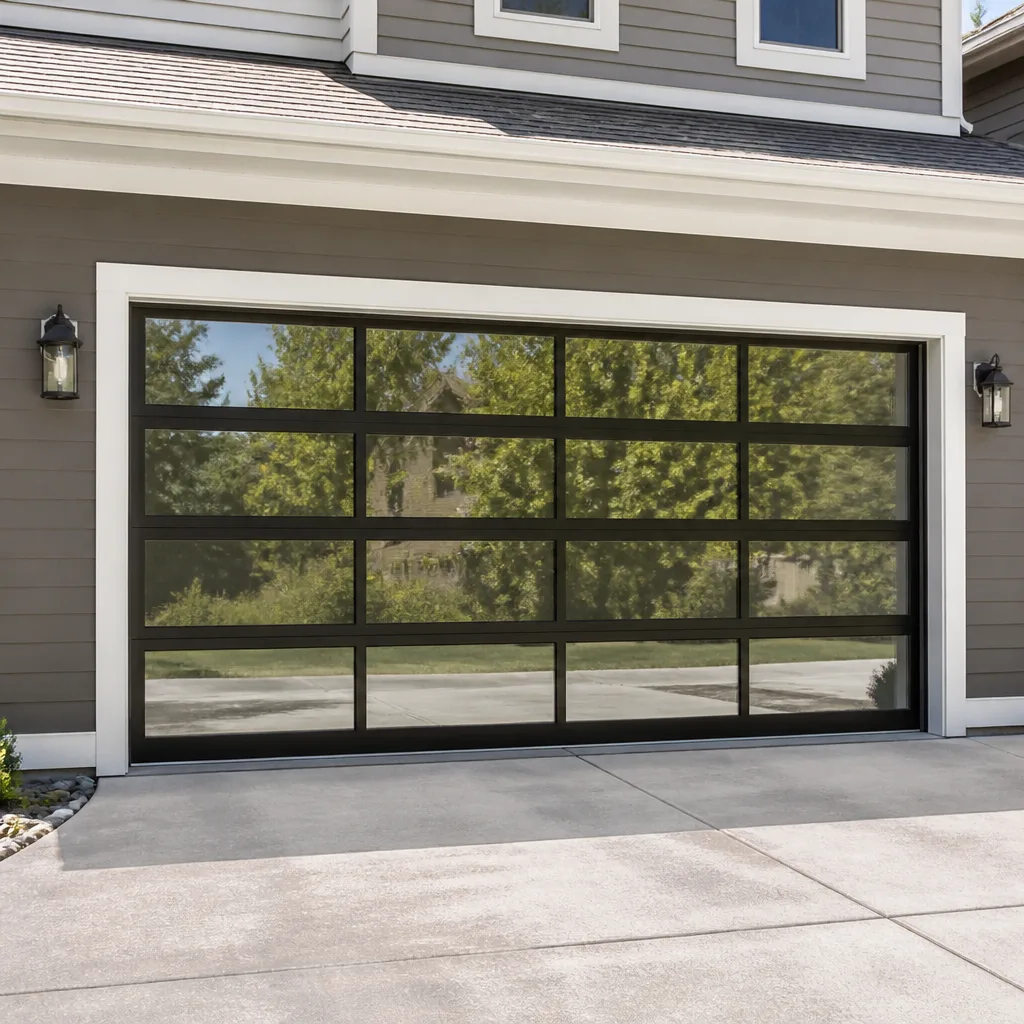
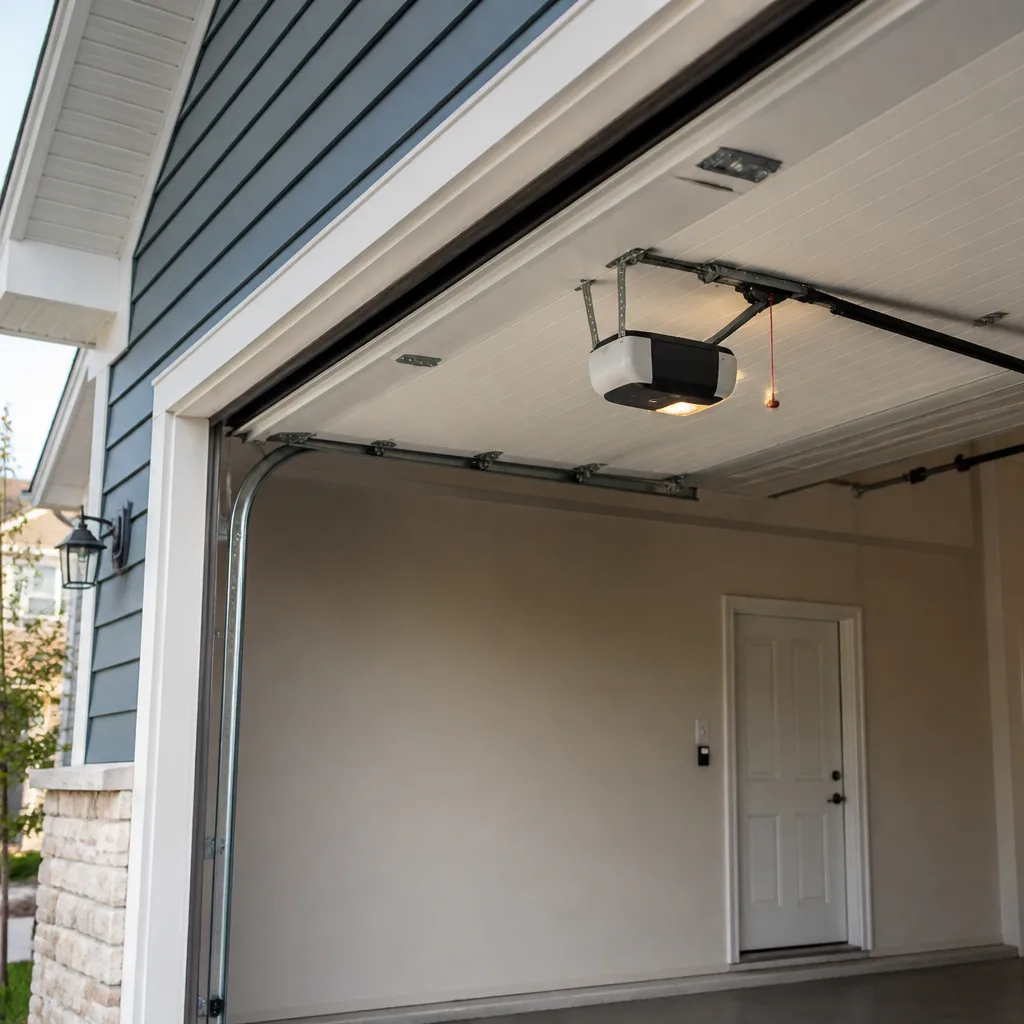
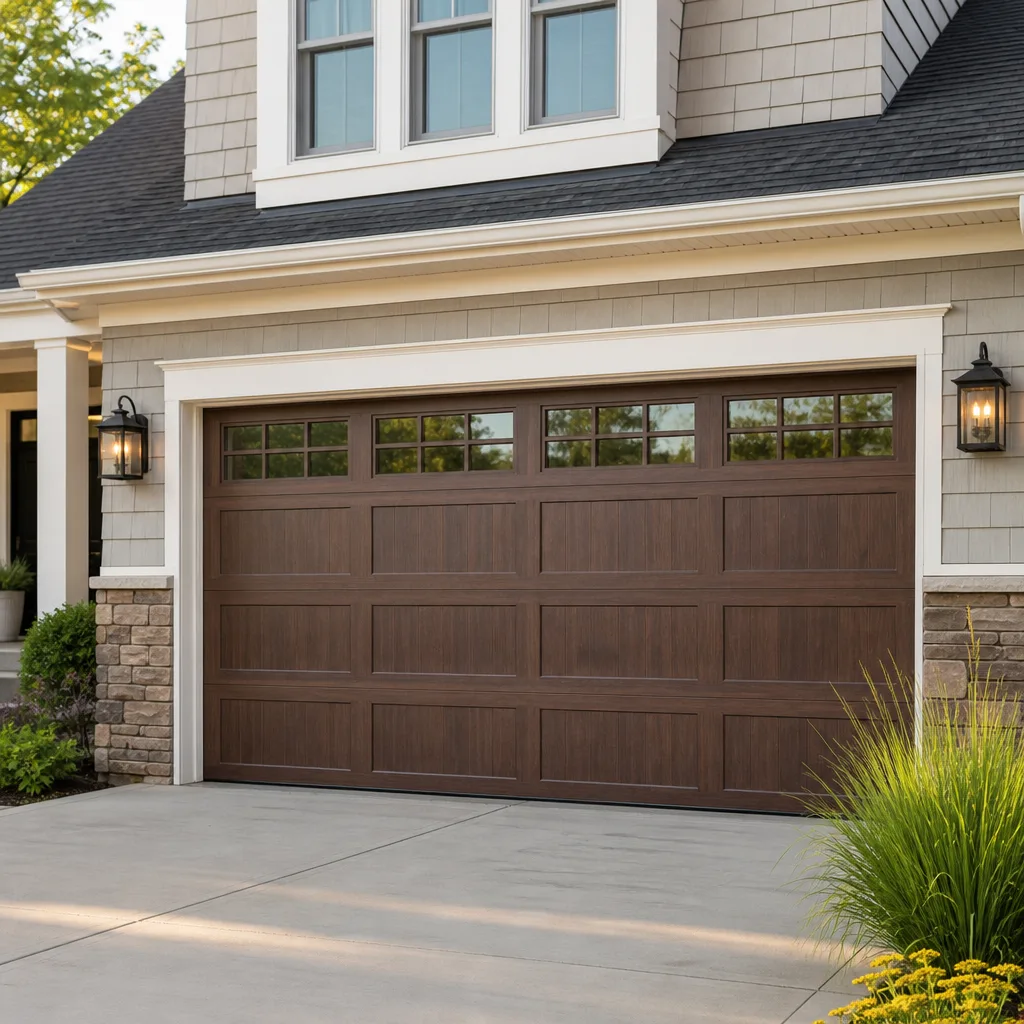
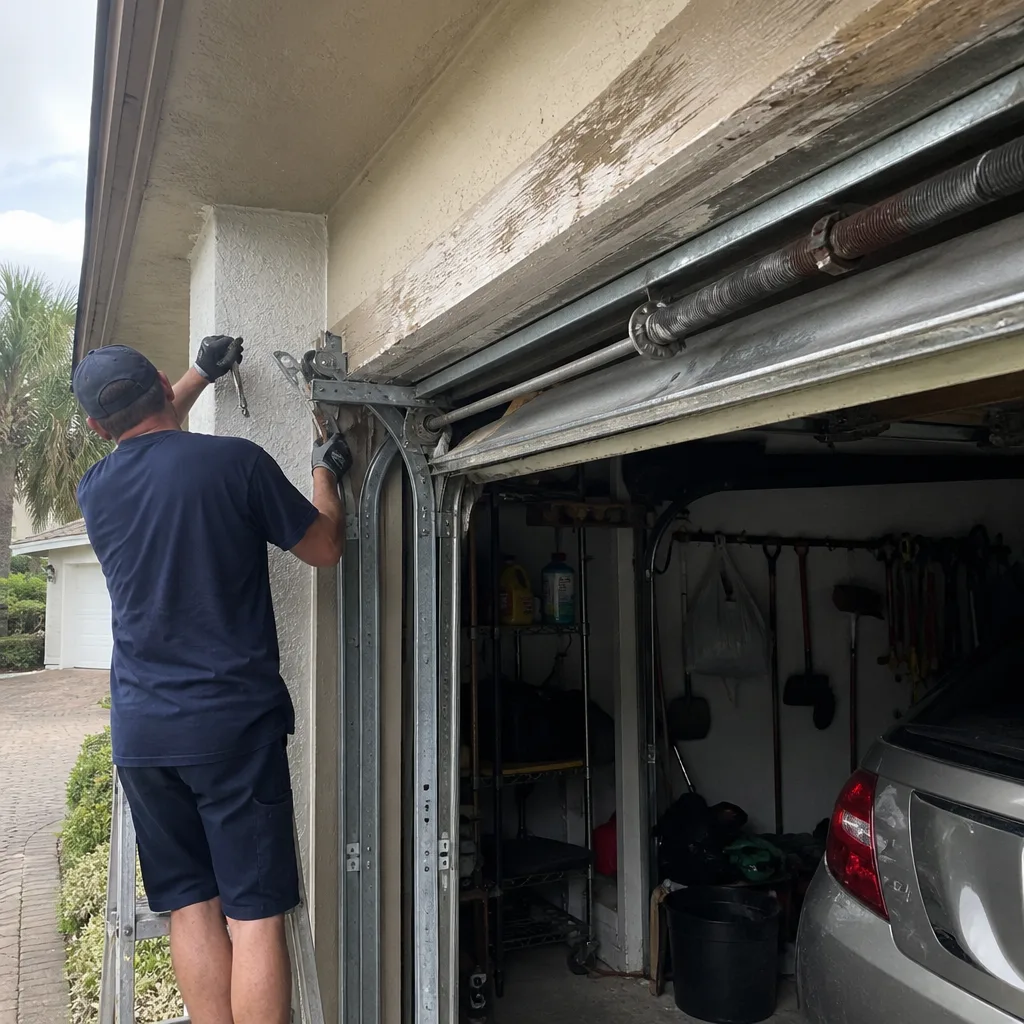 Before
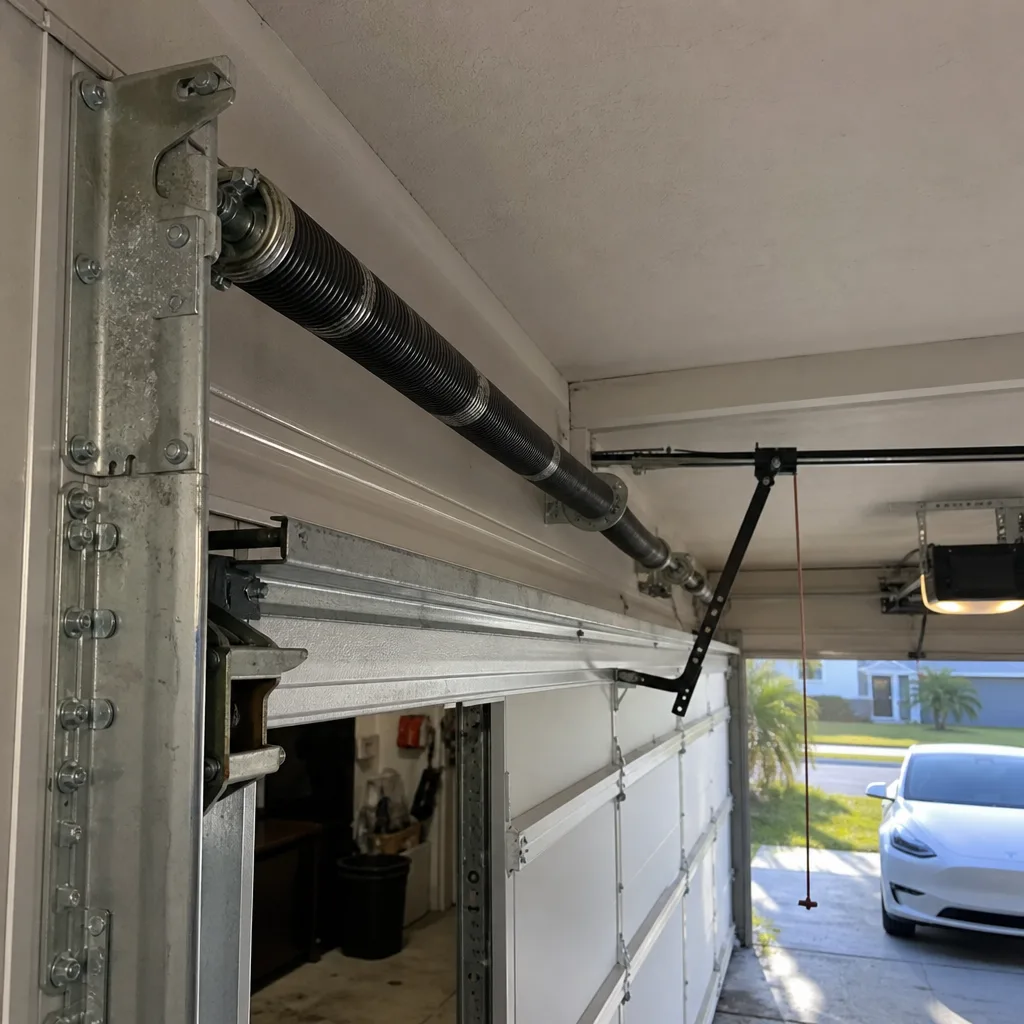 After
After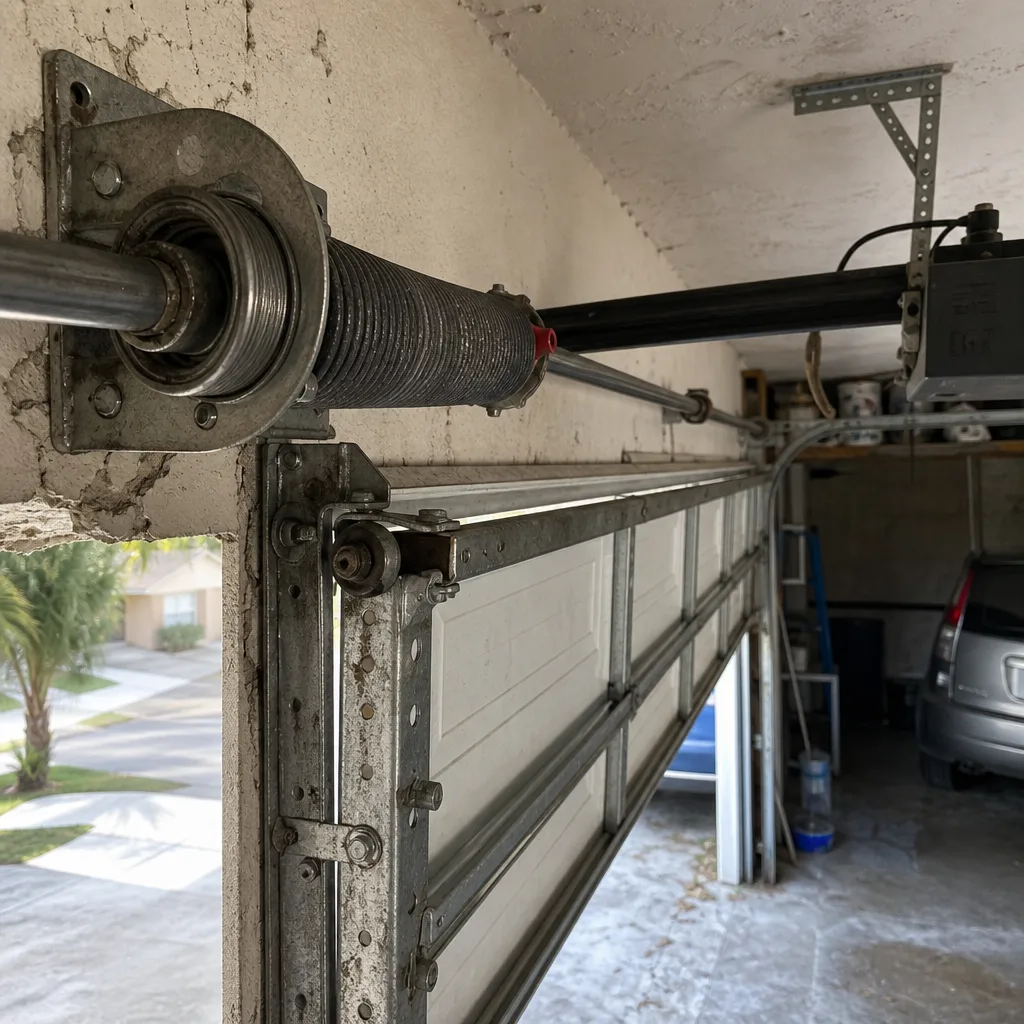 Before
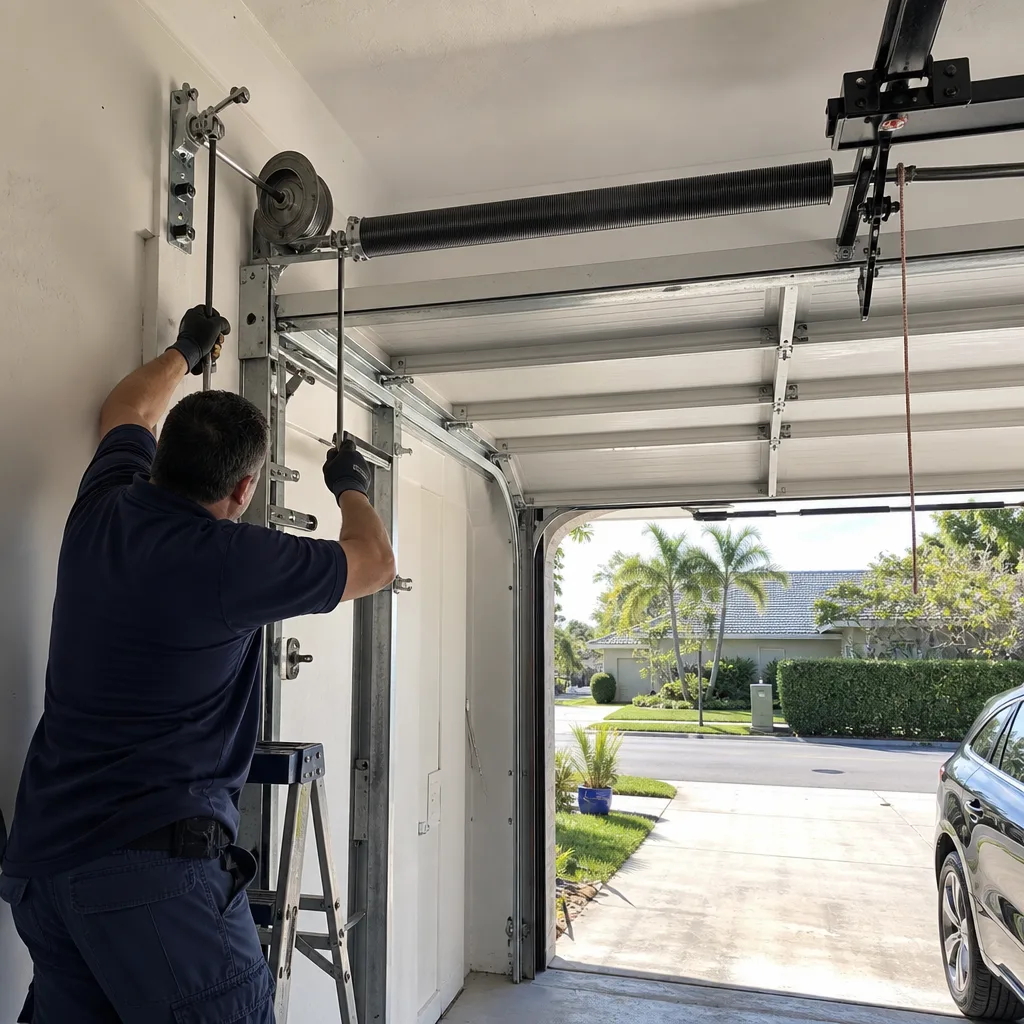 After
After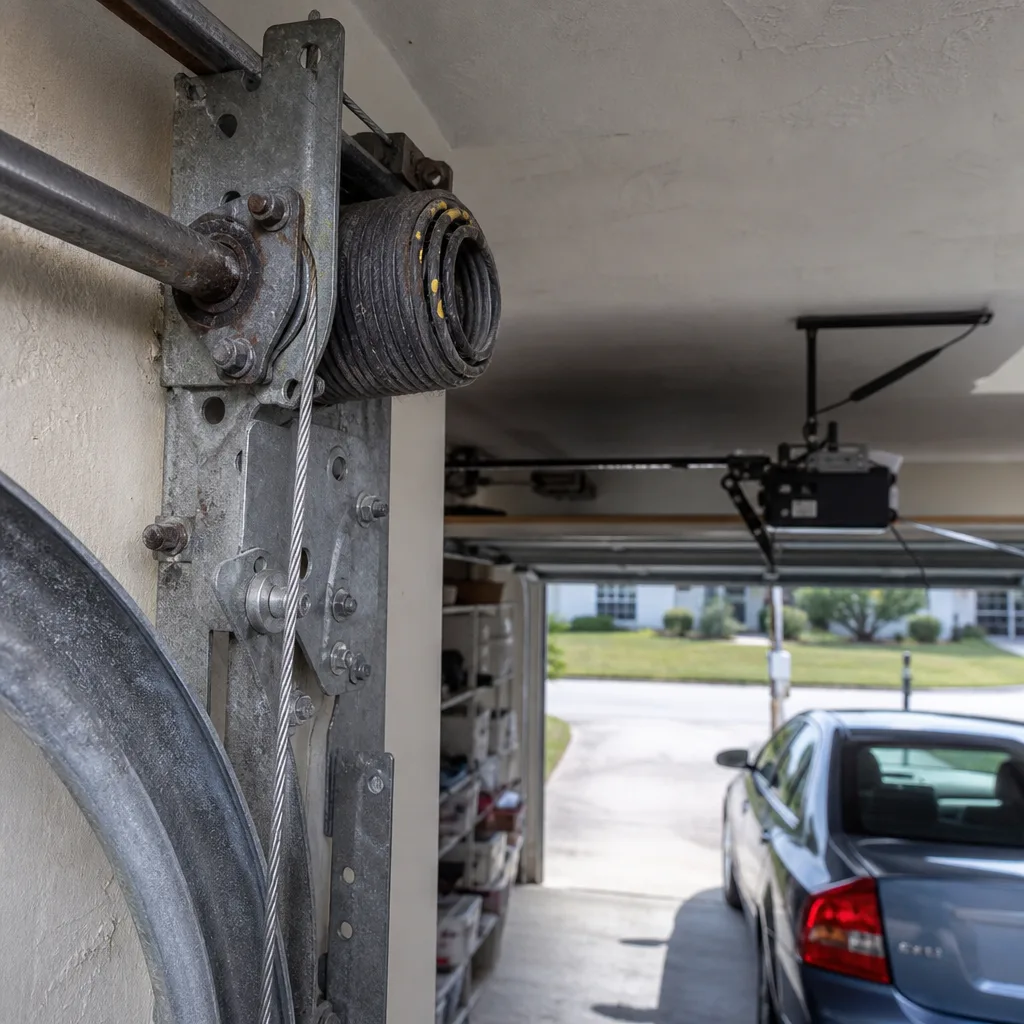 Before
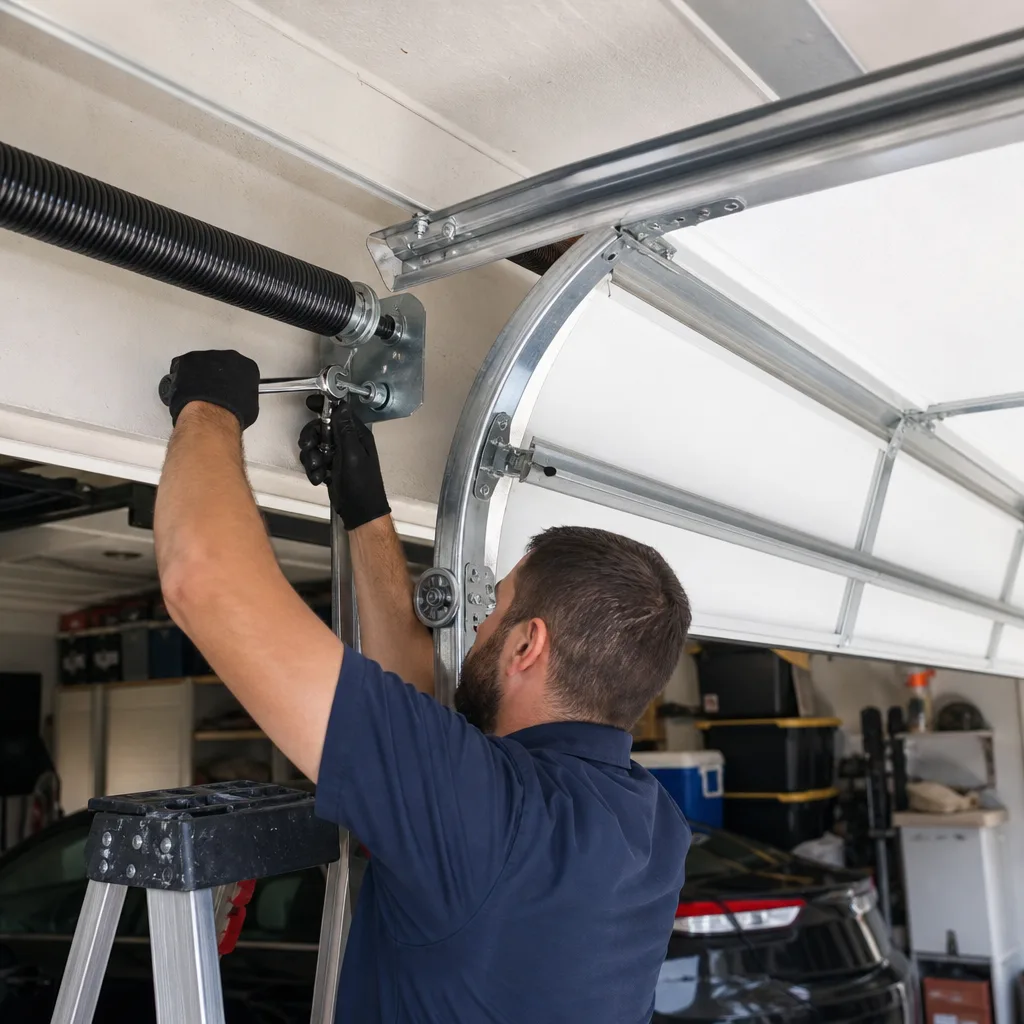 After
AfterThe Complete Guide to Garage Door in Boynton Beach
A galvanized torsion spring rated for 10,000 cycles in a moderate climate typically hits 7,000 to 8,000 in coastal South Florida. The salt-laden humidity accelerates oxidation at the coil gaps regardless of the coating. Most garage door guides & resources never mention this. Most quotes never account for it either. This guide is different. It is built around what actually fails in Boynton Beach, what it costs to fix, and how to make a door decision you will not regret in five years.
Quick Answer
A garage door in Boynton Beach should be selected for salt-air corrosion resistance and Palm Beach County wind-load code compliance before anything else. Expect to pay $1,100 to $2,800 for a new single door and $180 to $340 for a typical torsion spring replacement. The smartest sequence is assessment, permit check, written quote with component photos, installation, then final inspection. That order protects you from the two most common outcomes here: paying for a door that rusts in eight years, or paying for a repair that was never the root cause.
Table of Contents
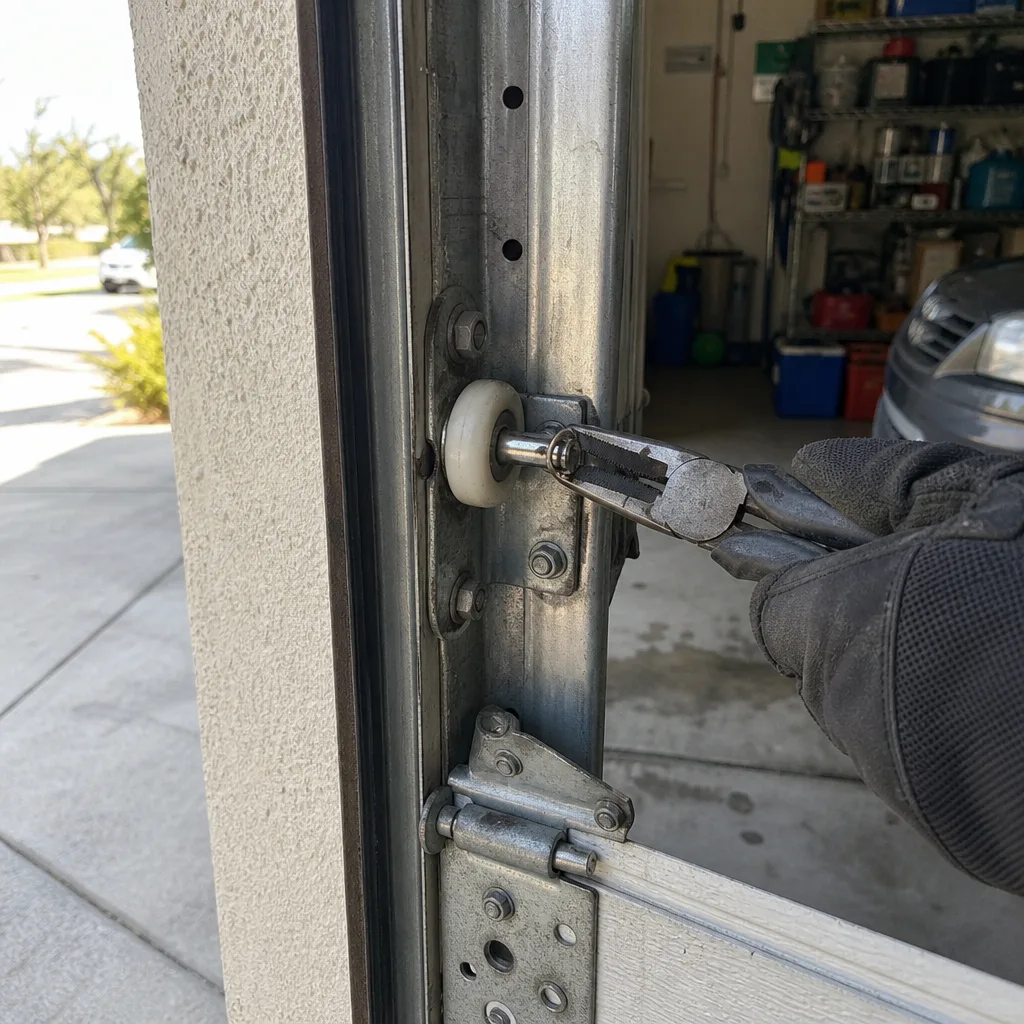
- How Boynton Beach Climate Changes Garage Door Decisions
- Material Selection: Steel, Aluminum, and Fiberglass in Coastal Humidity
- Miami-Dade NOA vs. Florida Product Approval: What Applies in Boynton Beach
- Cost-to-Lifespan Ratios for Boynton Beach Doors
- The Correct Decision Sequence: Assessment to Final Inspection
- The Three Components That Fail First in Boynton Beach
- What We Actually See From LiftMaster, Chamberlain, and Raynor
- Common Mistakes to Avoid
- When to Call a Professional
- Frequently Asked Questions
BeforeAfterHow Boynton Beach Climate Changes Garage Door Decisions
Boynton Beach sits in a coastal humidity zone that most national garage door guides simply do not account for. The average relative humidity runs above 70% most mornings, and the salt aerosol from the Atlantic reaches well inland, not just the barrier island. That combination does two things to a door system: it shortens the service life of exposed steel, and it forces hardware to work harder as surface rust builds on rollers, hinges, and track brackets.
We see the pattern consistently. A door that would last 20 years in a dry climate gets 12 to 14 here. A torsion spring rated for 10,000 cycles at standard humidity measures closer to 7,000 to 8,000 in this air. The oxidation at the coil gaps is not a coating failure. It is an environment problem. You cannot buy your way out of it with a thicker coat of paint. You can, however, select materials and hardware that tolerate it.
The daily thermal cycle matters as much as the humidity. Boynton Beach routinely swings from a 74-degree morning to a 90-degree afternoon. That expansion and contraction works the spring metal at a microscopic level. It is why a spring rated for a decade breaks in year seven. It is also why the bottom seal, which is just vinyl or rubber, hardens and cracks faster here than anywhere in the Midwest. When you are making a door decision in Boynton Beach, you are not choosing a color. You are choosing how often you want to pay for the same repair.
Material Selection: Steel, Aluminum, and Fiberglass in Coastal Humidity
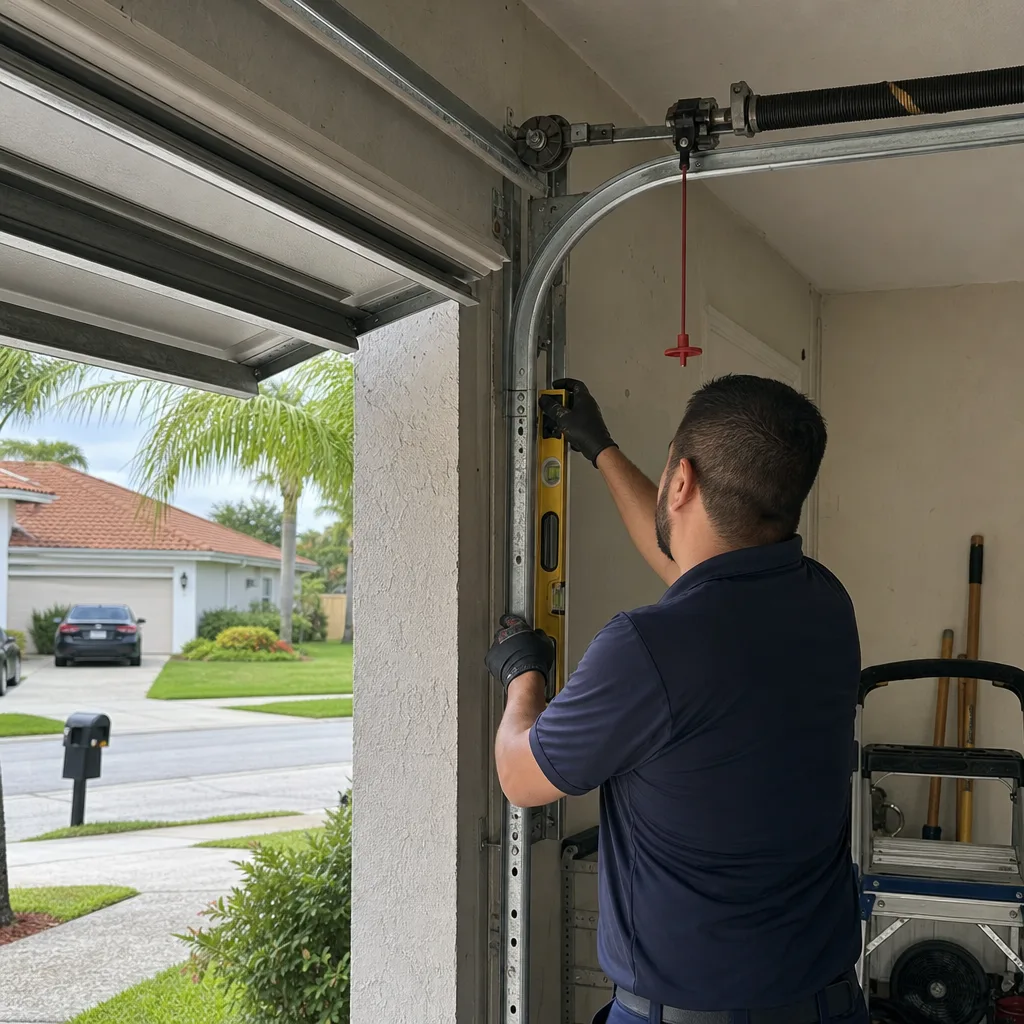
The three common door materials perform very differently in Boynton Beach’s specific environment. National comparison charts flatten those differences into columns that do not reflect what the salt air actually does. Here is what we tell homeowners when they ask what material to choose.
Steel doors are the most common and the most structurally rigid. A 24-gauge or 25-gauge steel door with a factory-applied polyester topcoat will hold up acceptably if the door is washed every six months and the bottom panel is inspected for scratches. The problem is the bottom panel. It sits closest to the ground, takes the splash from afternoon storms, and is the first place rust starts. In Boynton Beach, a steel door with a scratched bottom panel will show rust bloom within two years. A door that never gets scratched and is rinsed periodically can go 15 years. The difference is maintenance, and most people do not do it.
Aluminum doors do not rust. That is their entire argument in a coastal market. A full aluminum frame door with aluminum panels is the default recommendation for homes within two miles of the Intracoastal or the ocean. The tradeoff is dent resistance. Aluminum is softer than steel. An errant basketball or a bicycle handlebar will leave a mark that a steel door would shrug off. We tell homeowners to choose aluminum if they are within the salt spray zone and will accept the dent risk. Choose steel if you are further inland, west of I-95, where the humidity is still real but the salt concentration is meaningfully lower.
Fiberglass doors are a niche choice that works well in direct sun exposure. They do not corrode and they do not dent the way aluminum does. The limitation is panel stiffness. Fiberglass flexes in high wind, which matters in a hurricane zone, and it can develop gelcoat crazing after a decade of UV exposure. For a Boynton Beach home with a west-facing door that bakes in the afternoon sun, fiberglass is worth considering. For most homes, steel or aluminum remain the practical options.
Miami-Dade NOA vs. Florida Product Approval: What Applies in Boynton Beach
This section explains a distinction that most homeowners never hear about until a permit application gets flagged. Palm Beach County is not Miami-Dade County. The building code pathway is different, and buying a door with the wrong certification can cost you a re-order and three weeks of delay.
A Miami-Dade Notice of Acceptance, or NOA, is a product approval issued by Miami-Dade County for products that meet its stricter high-velocity hurricane zone standards. It is the gold-standard wind-load certification in Florida and applies specifically to Miami-Dade and Broward counties. Palm Beach County, where Boynton Beach is located, is not in the high-velocity hurricane zone. The applicable state-level certification here is a Florida Product Approval, or FPA, which is issued by the Florida Building Commission and applies to the rest of the state outside Miami-Dade and Broward.
What this means in practice: a replacement door for a Boynton Beach home must carry a Florida Product Approval number, not necessarily an NOA. Many manufacturers certify their doors to both, because it is cheaper to build one product line than two. But if you are ordering a door and the supplier is quoting an NOA-only product, verify that the FPA is also available. If it is not, walk away. The permit will not pass review without the FPA in Palm Beach County.
The wind-load requirement itself is driven by your home’s location on the wind speed map. Most of Boynton Beach falls in a 170 mph to 180 mph design wind speed zone. Your specific rating depends on exposure category, roof height, and whether the door is on a windward or leeward wall. The installer should pull this number from the permit drawings. If the installer cannot tell you the design wind speed for your address, that is a signal to get a second opinion. Wind-load compliance is not a suggestion in Boynton Beach. It is the thing the building department checks first.
Cost-to-Lifespan Ratios for Boynton Beach Doors
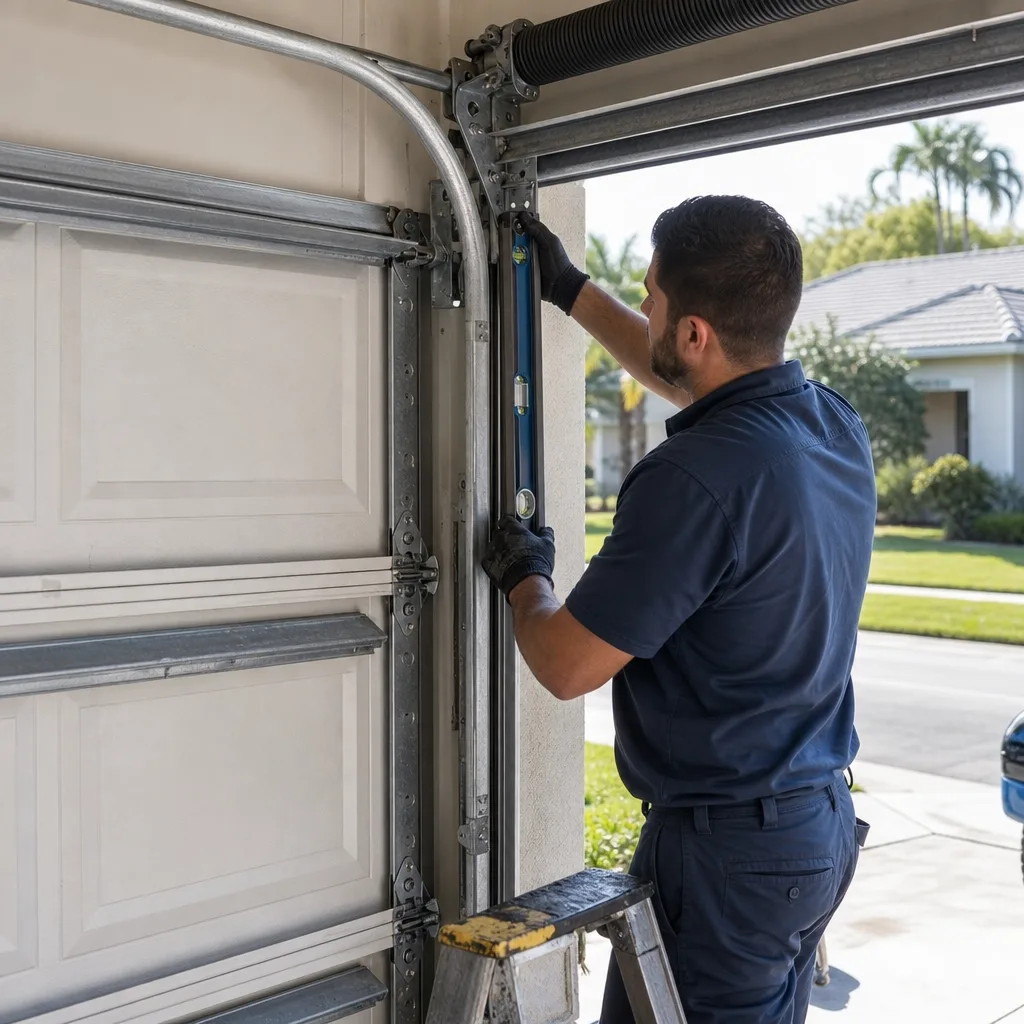
National average pricing is not useful in Boynton Beach. Salt-air corrosion and wind-load code requirements shift the math in ways that generic guides miss. Here is what a realistic cost-to-lifespan ratio looks like for this market, based on what we see across Palm Beach County.
| Door Type | Installed Price Range (Single Door) | Realistic Lifespan in Boynton Beach | Annual Cost Over Life |
|---|---|---|---|
| 24-gauge steel, standard panels | $1,100 - $1,900 | 10 - 14 years with maintenance | $85 - $160 |
| Aluminum frame, full view | $2,200 - $3,500 | 15 - 20 years, no rust | $110 - $175 |
| Fiberglass panel door | $1,800 - $2,800 | 12 - 18 years | $100 - $160 |
| Steel sandwich, 2-inch insulated | $1,600 - $2,600 | 14 - 18 years | $90 - $155 |
These are installed prices including a standard opener hookup, not just the panel cost. The spread exists because openings differ, and because wind-load requirements can push you into a heavier door than a basic national-price sheet assumes.
The number that matters most to a homeowner is the spring. We quote torsion spring replacement in Boynton Beach at $180 to $340 for a standard residential single spring, installed. That price should be written and agreed before the technician touches anything. If a company will not give you a dollar range on the phone, that is a red flag. The same spring on a two-spring system runs $220 to $420. Springs break on a cycle count, not a calendar, and in this climate you should plan on a replacement every seven to nine years regardless of brand. Budget for it the way you budget for a water heater.
For a deeper look at repair pricing specific to this market, see our Garage Door Repair in Boynton Beach page, which breaks out individual repair line items with local dollar ranges.
The Correct Decision Sequence: Assessment to Final Inspection
Most homeowners start their garage door project by browsing doors. That is the wrong first step. The right sequence in Boynton Beach is a five-step process that protects you from ordering the wrong product, paying for a permit that will not clear, or accepting a quote that hides the real scope.
- Assessment. A technician photographs the existing door, measures the opening, checks the track condition, and identifies the spring type. The photos matter. Clause 4 of The Haven Standard is why the technician photographs the failed part before quoting a replacement. You should see what the technician sees.
- Permit check. In Boynton Beach, a full door replacement generally requires a permit from the City of Boynton Beach or Palm Beach County, depending on the property. The installer should confirm the design wind speed requirement for your address and verify the door carries a valid Florida Product Approval before you pay a deposit.
- Written quote with component photos. You should receive a flat price and a written scope, not a verbal estimate and a handshake. If the quote says “replace door” without listing the panel gauge, spring type, track size, and hardware, ask for the detail. A real quote names the parts.
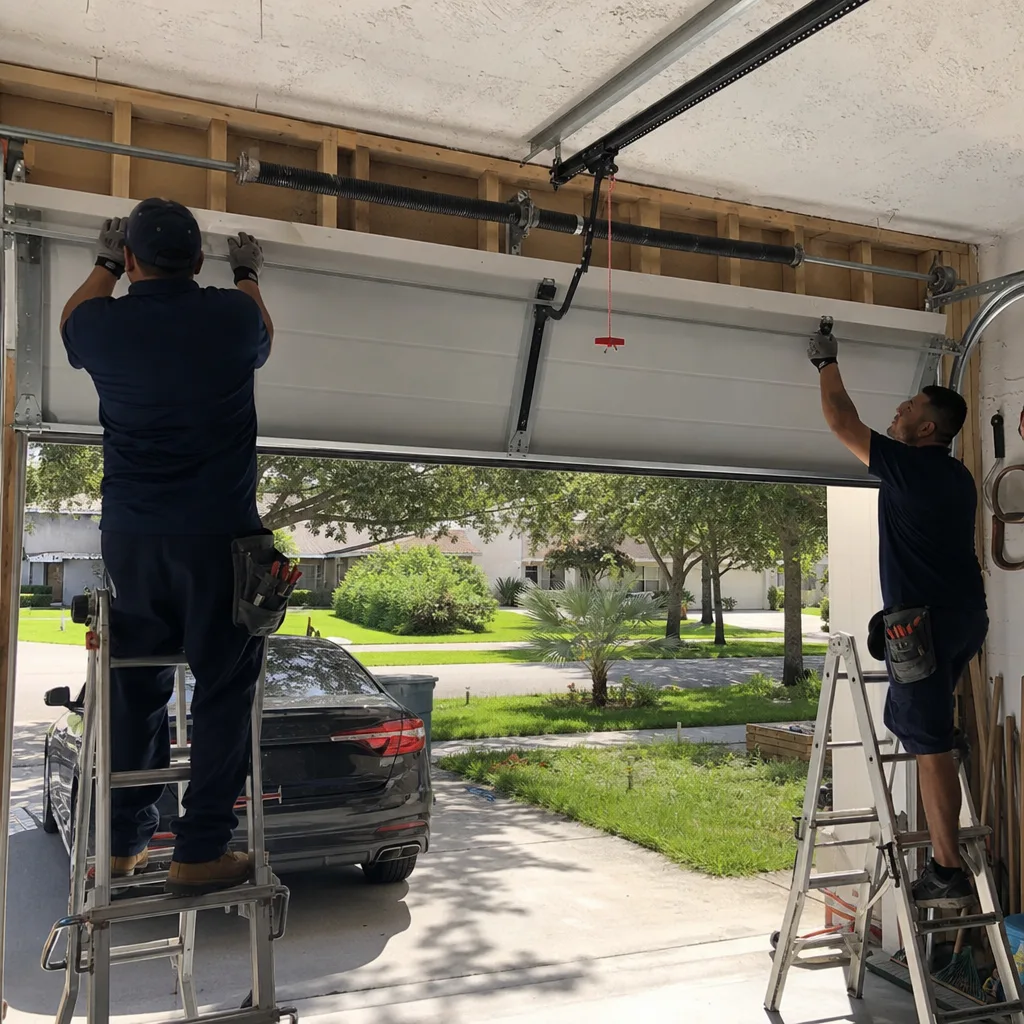
- Installation. The door goes in, the opener is reconnected and adjusted for stroke and force, and the safety sensors are tested. The installer should take photos of the completed work, including the spring, hinges, and track alignment.
- Final inspection. If a permit was pulled, the municipality inspects the installation for wind-load compliance. You should also receive a documented photo record of what was found and what was done. That record is what separates a professional installation from a friend with a pickup truck.
Sequence matters because each step feeds the next. Skip assessment and you will order a door that does not fit the opening. Skip the permit check and you will pay for a door that fails plan review. Skip the photo record and you will have no evidence if the job is not right. The order is there for a reason.
The Three Components That Fail First in Boynton Beach
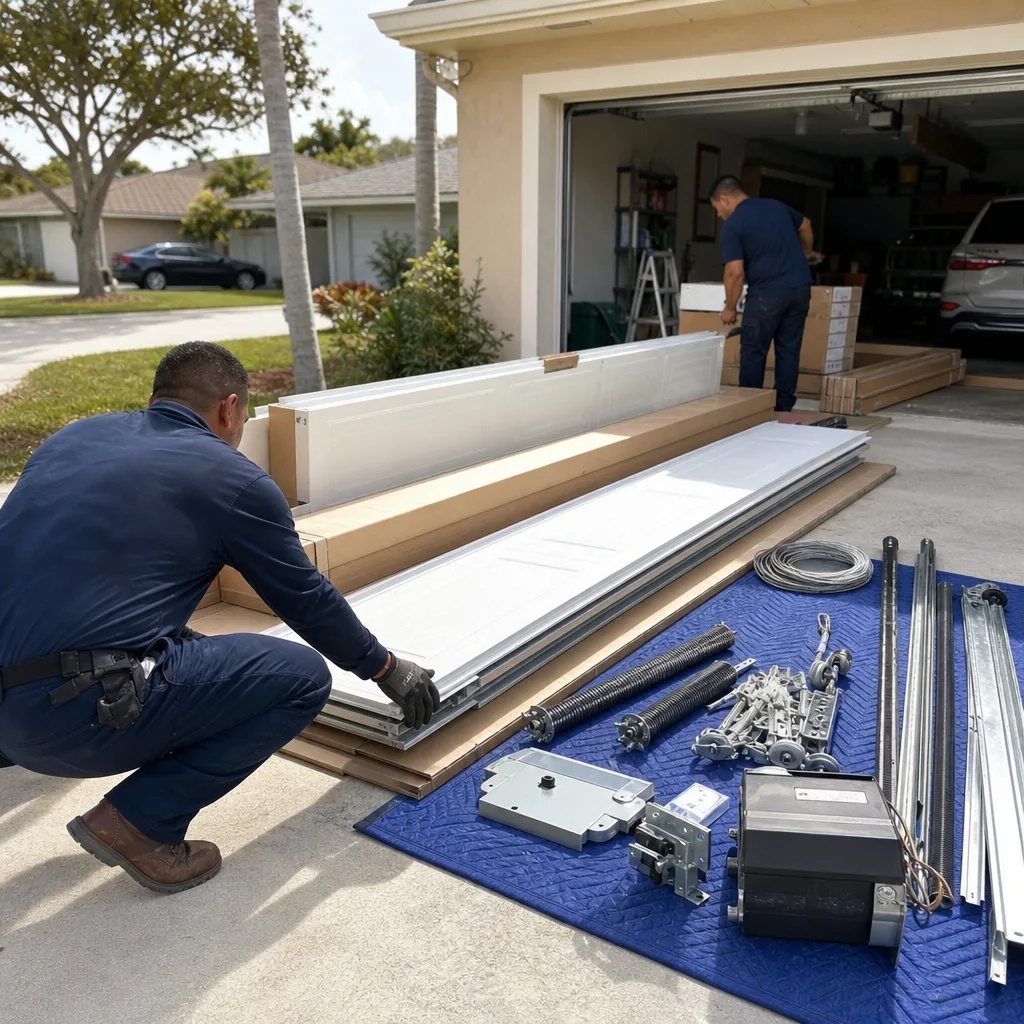
In this climate, three components fail before anything else. Knowing them helps you catch problems early instead of discovering them at 7 a.m. on a workday when the door will not open.
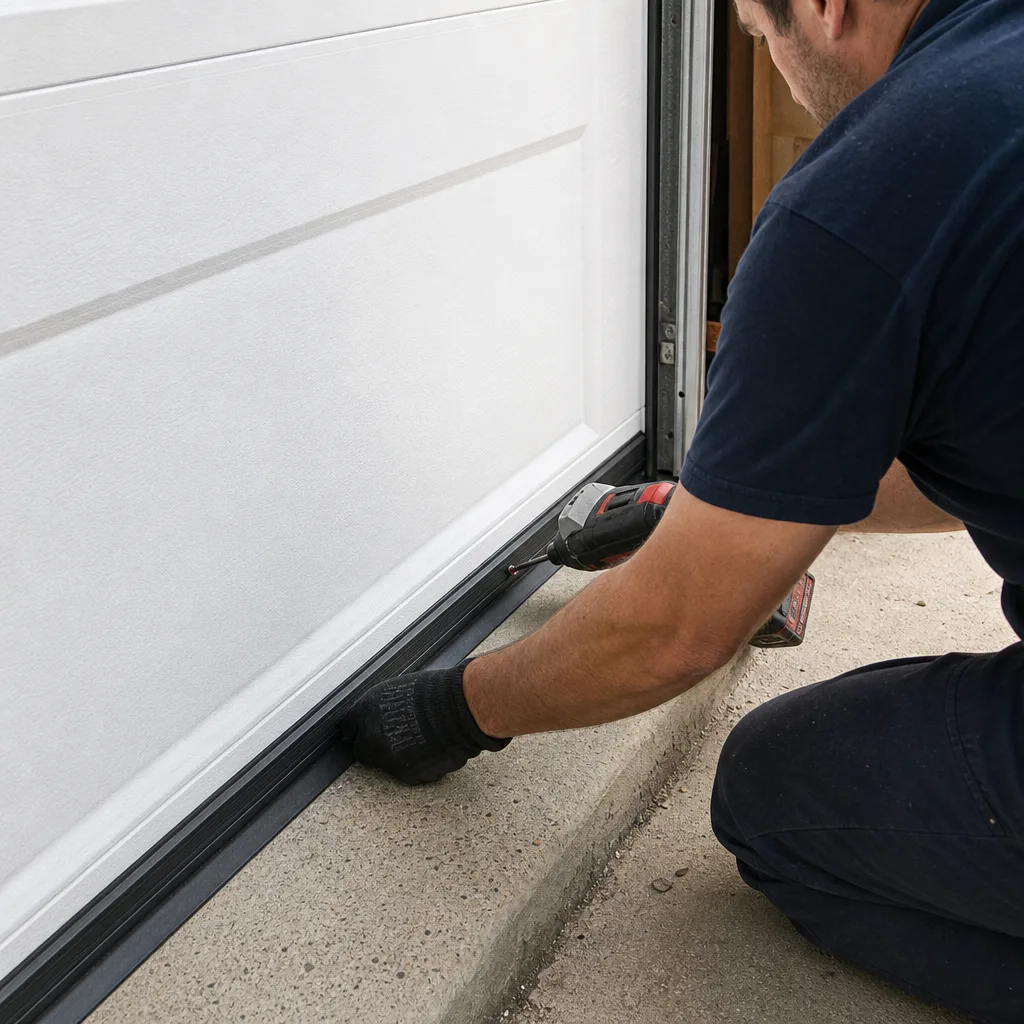
1. The bottom seal. This is the vinyl or rubber strip along the bottom edge of the door. It keeps water, leaves, and insects out, and in Boynton Beach it hardens and cracks within three to five years. A worn bottom seal lets standing water reach the bottom panel, which is exactly how rust starts on a steel door. Replacing the bottom seal costs $80 to $140 and takes about 20 minutes. It is the cheapest preventive repair in the entire system.
2. The horizontal tracks. The tracks that guide the door from vertical to horizontal collect salt-laden dust. That grit abrades the rollers and slowly grinds the track surface. We see horizontal tracks in Boynton Beach that measure visibly thinner at the curvature than their original gauge after ten years. The fix is a track replacement at $150 to $300 per side, or you can wait and end up with a door that binds, a bent panel, and an opener motor burned out from fighting the resistance. The cheap thing is the right thing here.
3. The spring coil ends. Torsion springs fail at the ends, not the middle. The coil ends are where the stress concentrates, and in humid coastal air they are also where surface oxidation starts first. A spring with visible rust on the coil ends is a spring on schedule. We tell Boynton Beach homeowners to have the spring inspected every two years after year five. A spring that breaks under load can take a cable with it, and a cable can whip the back wall or the side of the car. This is not a DIY component. High-tension springs hold enough energy to cause serious injury, and we strongly recommend a trained professional handle any spring work.
What We Actually See From LiftMaster, Chamberlain, and Raynor
We service every major brand, including LiftMaster, Chamberlain, Genie, Clopay, Amarr, Wayne Dalton, Craftsman, and Raynor. But when a Boynton Beach homeowner asks what we see most on the ground, three names come up repeatedly, and the pattern is consistent.
LiftMaster is the opener brand we install most often for homes in this market. The chain-drive and belt-drive units hold their adjustments well in humid air, and the DC motors are quieter than the older AC units most homes are replacing. If your current LiftMaster opener is more than 12 years old, the logic board is usually the failure point, not the motor. We replace the board when the unit otherwise measures sound.
Chamberlain and LiftMaster share the same parent company, and Chamberlain is the big-box retail version of the same engineering. What we see with Chamberlain units in Boynton Beach is that the rail and trolley assembly wears faster than the motor, especially on doors that are opened four or more times a day. The trolley carriage is the part that moves the door along the rail, and it is a $40 part that takes an hour to replace. It is not a reason to replace the opener.
Raynor is a door brand more than an opener brand, and Raynor doors show up frequently on older Boynton Beach homes, especially the steel sandwich models from the 2000s. The doors themselves are well-built, and the hardware is solid. The common issue is the weatherstripping and the bottom panel, which is the same salt-air story as every other steel door in this market. A Raynor door with a rusted bottom panel is usually worth repairing rather than replacing, assuming the rest of the structure is sound.
Common Mistakes to Avoid
- Buying the cheapest steel door without checking the panel gauge. A 28-gauge door costs less upfront and will dent and rust faster in Boynton Beach humidity. Go 24 or 25 gauge for a door that is meant to last more than one ownership cycle.
- Assuming an NOA door is required in Palm Beach County. It is not. Boynton Beach falls under Florida Product Approval jurisdiction. Buying an NOA-only door can leave you with a product that cannot be permitted here.
- Ignoring a rusting bottom seal because the door still opens. The seal is not a cosmetic part. It is the first line of defense against the moisture that destroys the bottom panel. A $100 seal replacement prevents a $400 panel repair.
- Replacing an opener when the trolley carriage is worn. A noisy Chamberlain or LiftMaster opener is often a $40 carriage, not a $400 motor. A technician who photographs the failure before quoting will show you the difference.
- Accepting a verbal quote for a door replacement. In Boynton Beach, a door quote that does not include the panel gauge, spring type, track size, and permit status is incomplete. You should get a flat, written price with a written scope before work starts.
- Waiting until the spring breaks to address it. A broken spring can take a cable with it, and a snapped cable means a bigger repair bill. An inspection every two years after year five is the cheapest insurance you can buy for a garage door in this climate.
- Choosing a door based on how it looks online without seeing the sample. Colors render differently on every screen, and a door that looks warm beige on a website can look putty gray in Boynton Beach afternoon light. Look at the physical sample in your actual doorway before you commit.
When to Call a Professional
Call a professional for any spring work, any track replacement, any cable repair, and any full door replacement that requires a permit. These are high-tension, high-energy systems, and the failure mode is not a door that stops working. It is a cable that whips or a spring that releases under load. A trained technician carries the right winding bars and knows the sequence.
You should also call a professional the moment you see rust on a coil end, hear a noise that was not there last month, or notice the door hesitating on the way up. These are early signals, and they are cheap to address early. Servo Garage Doors Boynton Beach offers free estimates in Boynton Beach. Call (754) 227-2243 and we will name the price range before we touch anything. That is Clause 1 of The Haven Standard, and it is how every job starts.
Frequently Asked Questions
A new single garage door in Boynton Beach typically costs $1,100 to $2,800 installed, depending on material, insulation, and wind-load requirements. Aluminum and fiberglass doors run higher than basic steel. The written quote should include the panel gauge, spring type, track size, and permit status. Call (754) 227-2243 for an exact quote with a flat price and written scope before any work begins.
Torsion springs rated for 10,000 cycles typically last 7,000 to 8,000 cycles in Boynton Beach’s coastal humidity, which translates to roughly seven to nine years of normal residential use. The salt-laden air accelerates oxidation at the coil ends, where springs always fail. Have your spring inspected every two years after year five to catch wear before it breaks.
Yes, a full door replacement in Boynton Beach generally requires a permit through the City of Boynton Beach or Palm Beach County, depending on the property. The door must carry a Florida Product Approval number, not a Miami-Dade NOA. Your installer should verify the design wind speed requirement for your address before you pay a deposit.
A Miami-Dade NOA applies to Miami-Dade and Broward counties, which are in the high-velocity hurricane zone. A Florida Product Approval applies to the rest of the state, including Palm Beach County and Boynton Beach. A door for a Boynton Beach home must carry the FPA, not necessarily the NOA.
Aluminum is the best choice for homes within two miles of the Intracoastal or the ocean, because it does not rust. Steel works well further inland, west of I-95, if the bottom panel is kept clean and the door is rinsed every six months. Fiberglass suits west-facing doors that bake in direct afternoon sun.
The bottom seal, the horizontal tracks, and the spring coil ends fail first in this climate. The seal hardens in the humidity, the tracks collect salt-laden grit, and the spring ends corrode under load. Addressing these three components early is the cheapest way to extend the life of the entire system by years. Call (754) 227-2243 and a technician will photograph what is failing before anyone quotes a replacement.
The Bottom Line
A garage door in Boynton Beach is a coastal product, not a generic one. The salt air shortens spring life by 20 to 30 percent. The wind-load code requires a Florida Product Approval, not an NOA. The cheapest steel door is usually the most expensive one if you count the repairs. And the correct order of operations is assessment, permit check, written quote with photos, installation, then inspection. That sequence is not just best practice. It is the only way to buy a door once and keep it working for the next decade. For Garage Door Installation in Boynton Beach, see our installation service page for written pricing and the documented process. If your opener fails before the door does, our Garage Door Opener Repair & Installation in Boynton Beach page explains the most common failure points and what they cost to fix. And if you are anywhere in this market, start with the Servo Garage Doors Boynton Beach home page to see how the Haven Standard works in practice.
Written by Marcus Deller, Owner at Servo Garage Doors Boynton Beach, serving Boynton Beach since 2015.